Here is a question most brands skip until it costs them. Where is your 3PL actually located?
It sounds like a detail. It is not. Where your inventory sits decides how fast your customers get their orders and how much you pay to ship them. In 2026, with West Coast capacity tightening, it matters even more.
Some national 3PLs are quietly pulling back on the West Coast, closing regional centers and consolidating their networks. When that happens, brands shipping from those buildings get moved, rerouted, or left paying for longer zones. So it is worth understanding what a West Coast footprint really buys you.
Location is a shipping cost, not a preference
Parcel carriers price by zone. The farther a package travels from the warehouse to the doorstep, the higher the zone, and the more you pay. Ship everything from a single East Coast building and every West Coast order rides a long, expensive zone.
Put inventory on the West Coast and you flip that math for a huge share of the country. Roughly a fifth of the United States population lives in the western states, and a West Coast building reaches them in one or two days by ground. Ground, not air. That is the cheap way to hit a fast delivery promise.
The West Coast is also where your freight lands
If you import, your containers come in through the Pacific ports. Los Angeles, Long Beach, and Oakland move the bulk of it. A 3PL near those ports means a short, cheap drayage move from the port to the warehouse instead of a long haul across the country before you can sell a single unit.
That is real money and real time. Every day product sits on a truck crossing the country is a day it is not on a shelf ready to ship.
What GBF actually covers out here
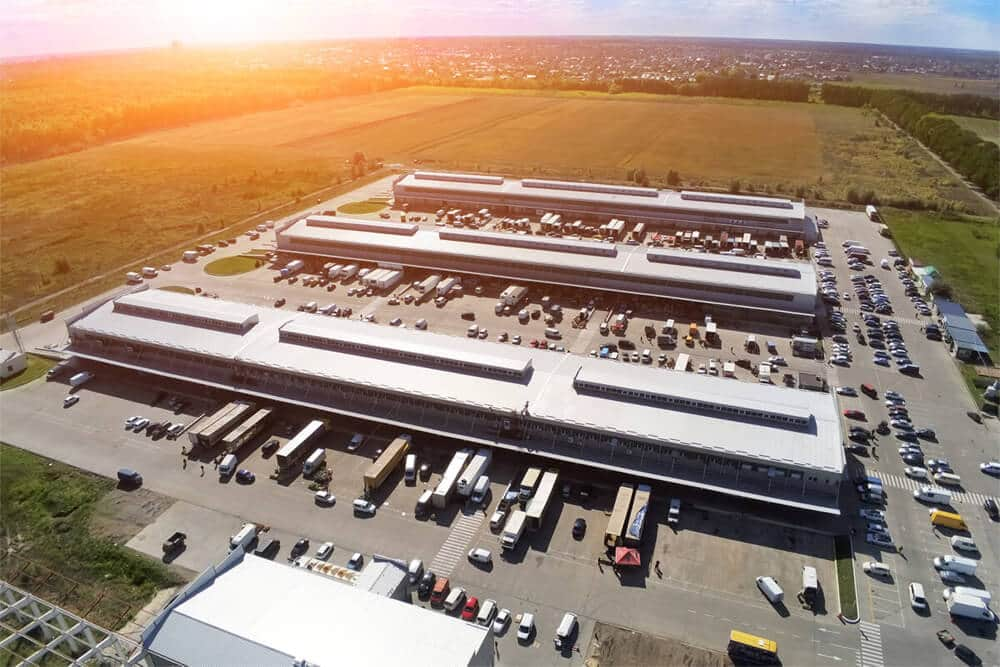
We have two California warehouses, on purpose:
- Woodland, in Northern California near Sacramento. Close to the Bay Area and the Oakland port.
- Victorville, in the Inland Empire North, inside the Southern California logistics corridor near the Los Angeles and Long Beach ports.
Two buildings, north and south, means we cover the whole West Coast and reach a big piece of the country in two day ground. It also means we are not one closure away from moving your inventory. When other networks contract, ours holds.
When a West Coast 3PL is worth it
To be straight with you, it is not the answer for everyone. A West Coast building is the strongest fit when:
- A real share of your customers live in the western states.
- You import through the Pacific ports and want to cut drayage and inland freight.
- Your shipping cost per order has crept up and long zones are the reason.
If almost all of your customers are in the Northeast, a West Coast only setup is the wrong tool, and a good 3PL will tell you that. Plenty of brands end up wanting inventory on both coasts as they grow.
How to decide
You do not need a consultant to get started. Pull two numbers and the picture gets clear fast:
- Where do your orders actually ship? Look at the last few months by state or region.
- What are you paying in shipping per order, and how much of that is long zone West Coast delivery?
- Where does your freight come in, and what does it cost to move it inland today?
If those numbers point west, a West Coast 3PL will likely pay for itself in shipping and speed. Send us your ship to data and we will map it against our two buildings and show you the difference in plain numbers.
Talk to an Expert
If you want a straight read on your fulfillment, book a call. Thirty minutes with someone who actually runs the warehouses. We will look at your SKUs, your channels, and your peak, then tell you plainly whether GBF is a fit.
Contact Us


.jpeg)